Holy crap! Where has the time gone? It’s already mid-May! April and the beginning of May has been busy, busy, busy between work (of course) and book promoting, I almost don’t know if I’m coming or going…almost.
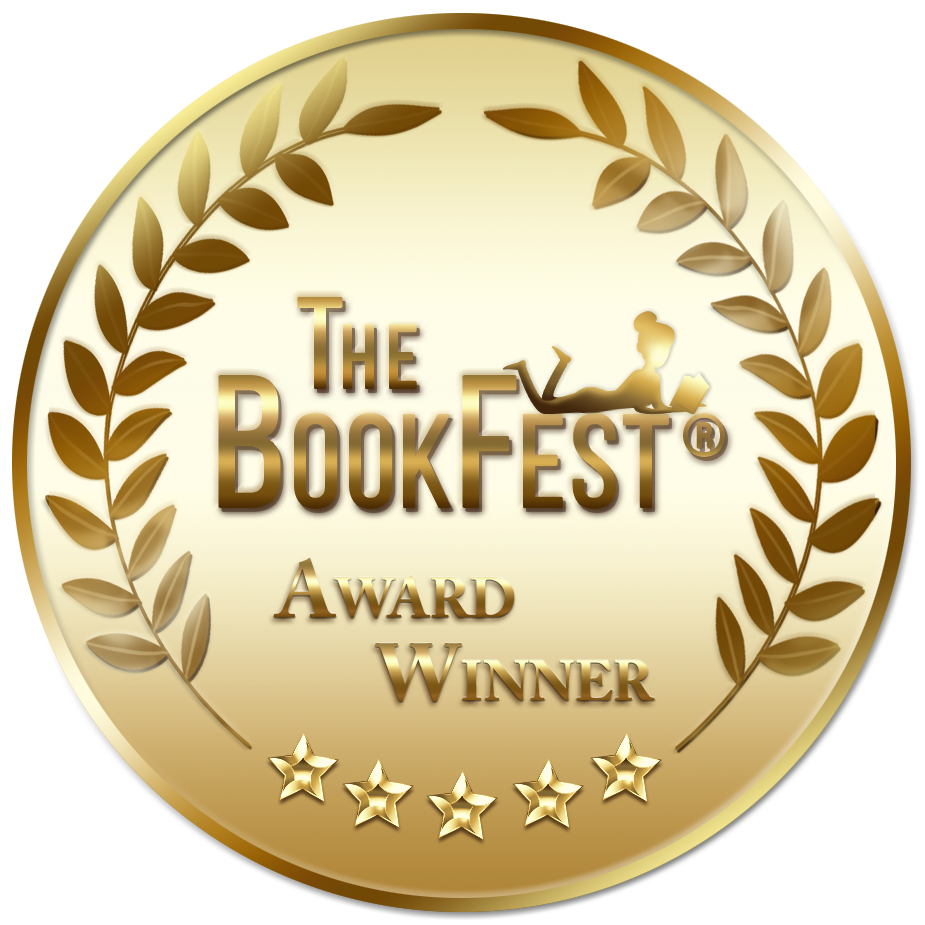
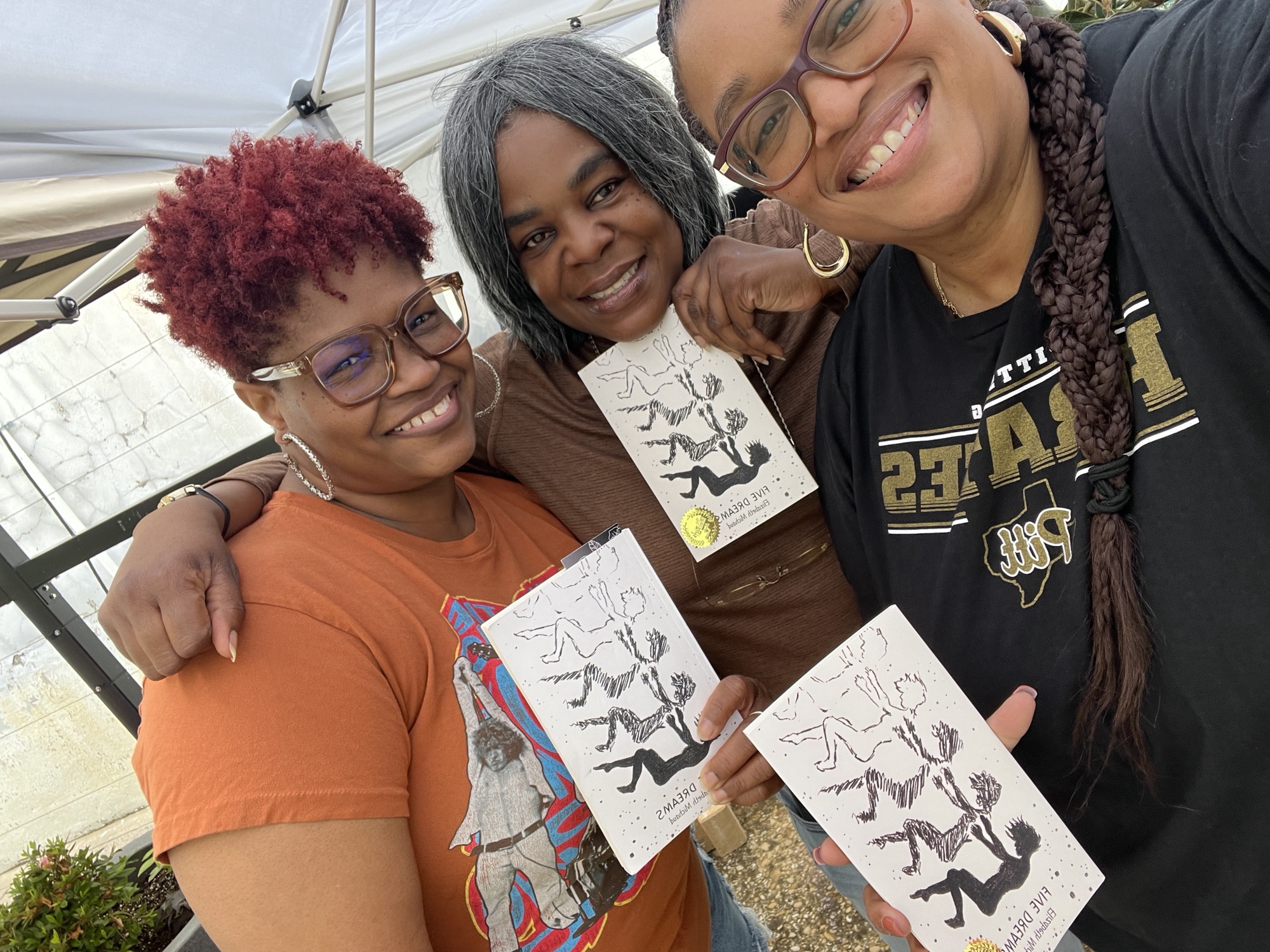
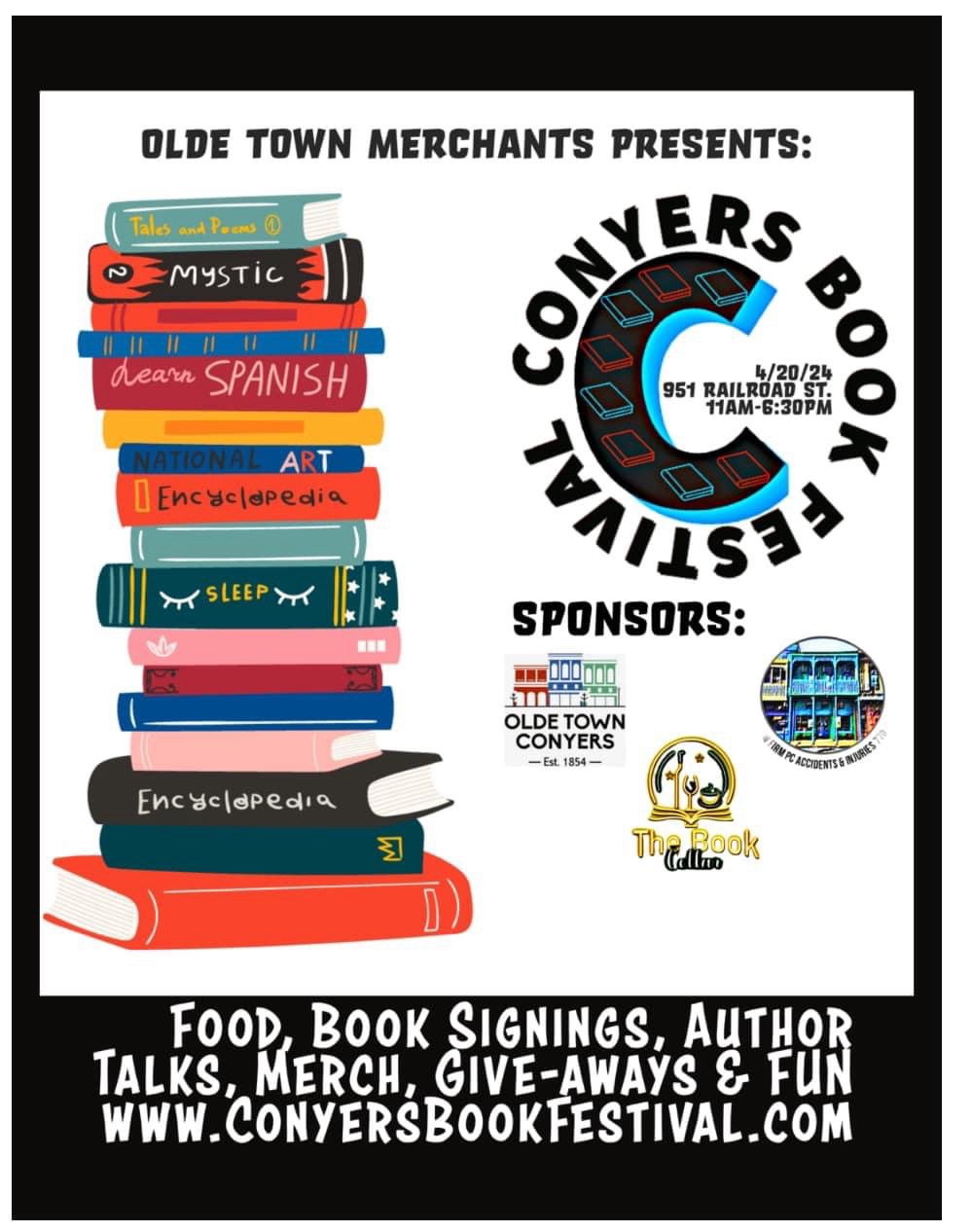
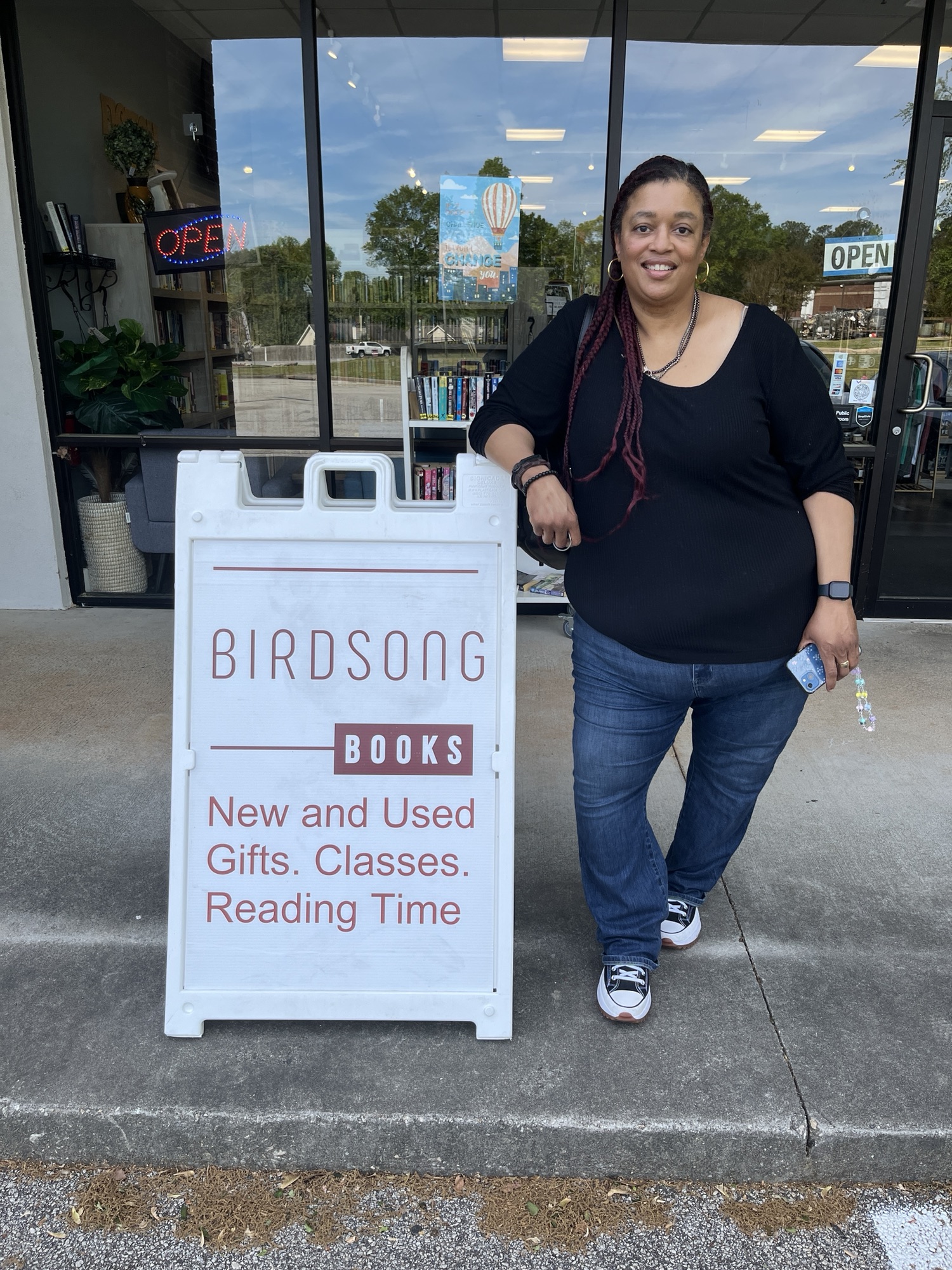
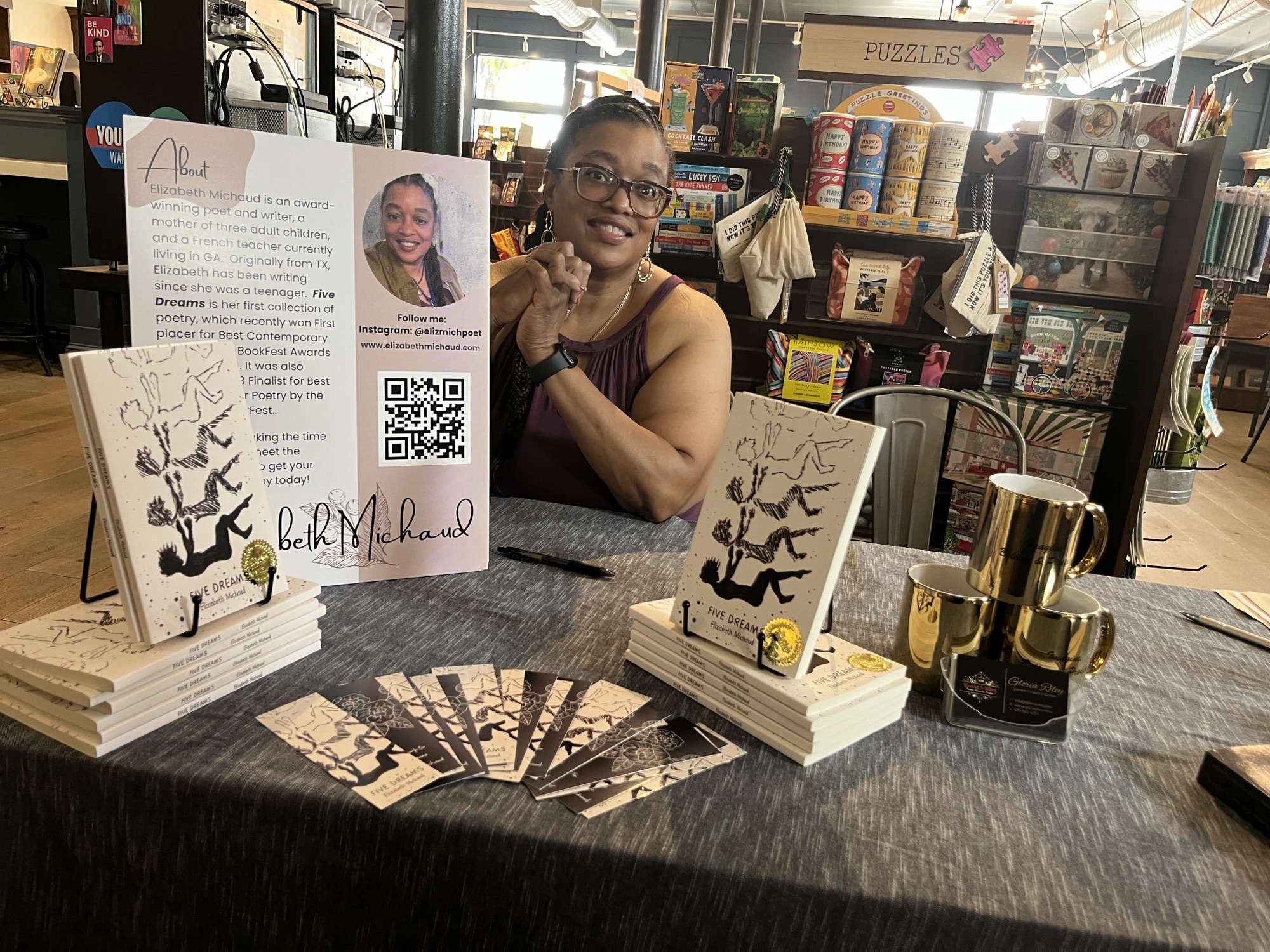
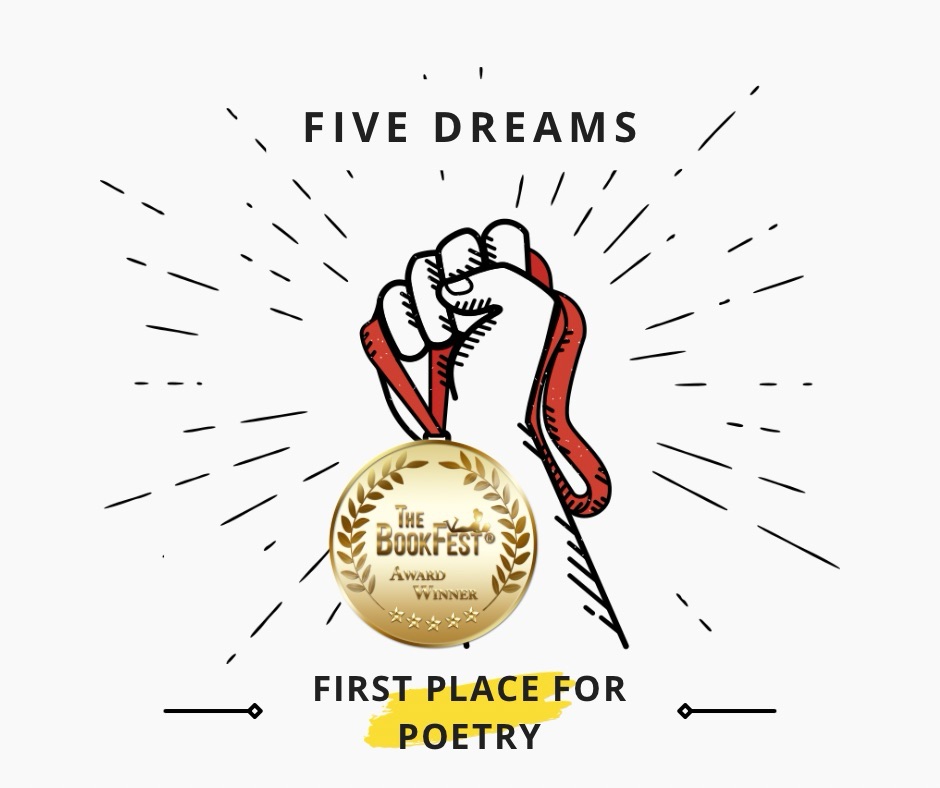
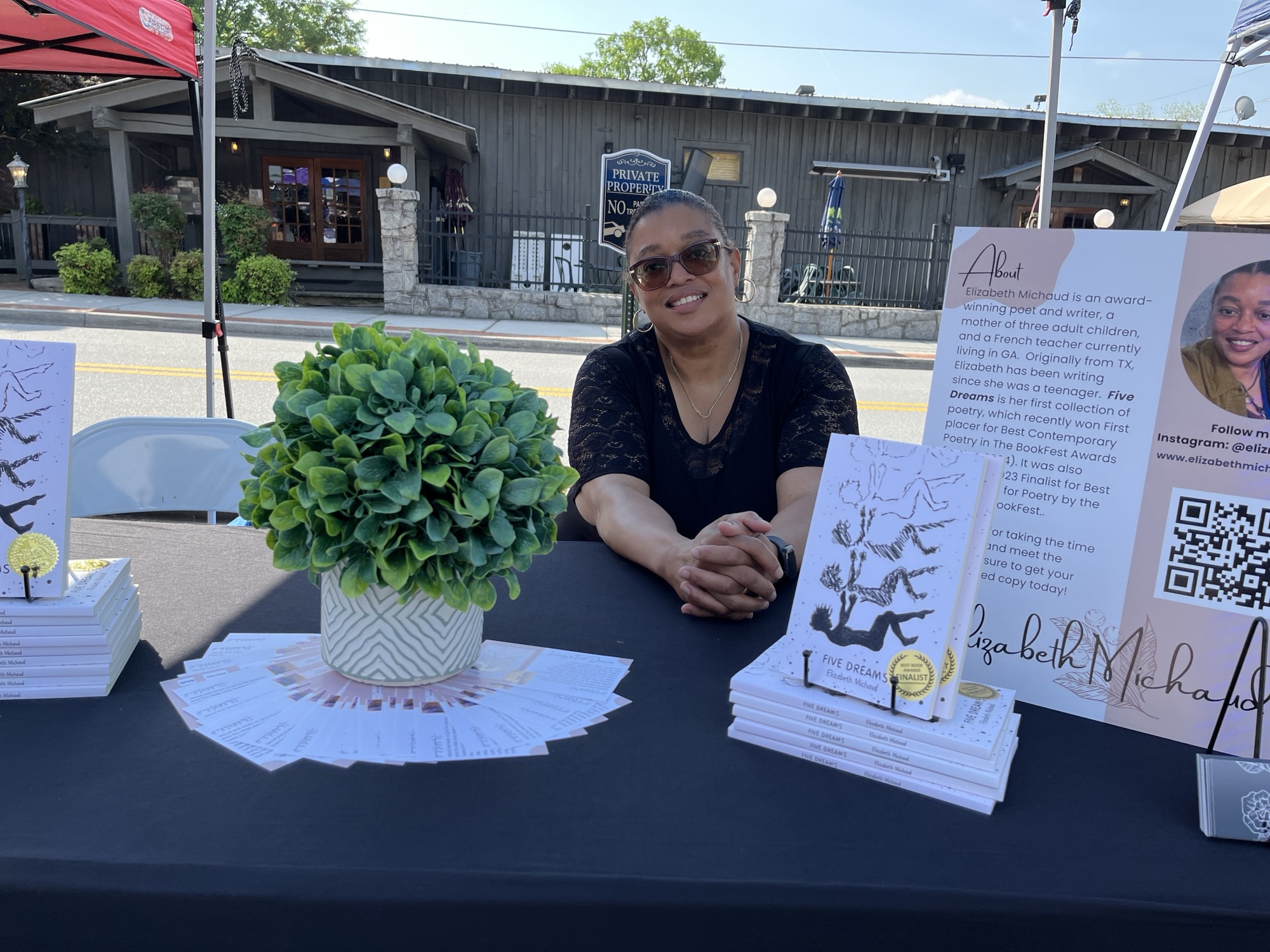
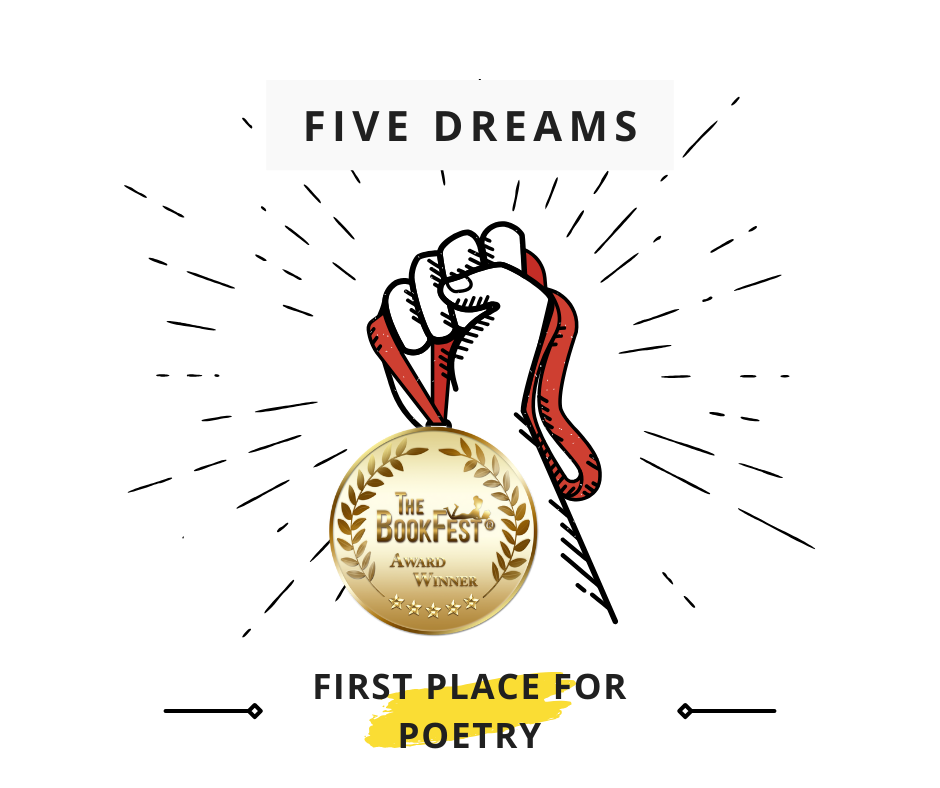
The month of April held an interview with Poetry Matters Project for National Poetry Month in April, and Five Dreams won First Place for Contemporary Poetry by The BookFest Awards–that’s two awards for this collection! This month also saw me at various book festivals (with a mini-high school reunion to boot! Shout-out to my class of ’89!) as well as an Open Mic in Decatur, GA. The beginning of May did not let up, with book signings in McDonough and Locust Grove. As the school year winds down and vacation keeps calling my name louder and louder, the summer looks bright and full of promise with more signings and events, more fun and adventure. I’m meeting so many nice and interesting people, sharing my writing, and just getting out there. What a joy it is at this stage of my life to be free to do my thing!
Find here some highlights of the past two months, including the interview with Poetry Matters Project–hoping to have many more in the months to come!
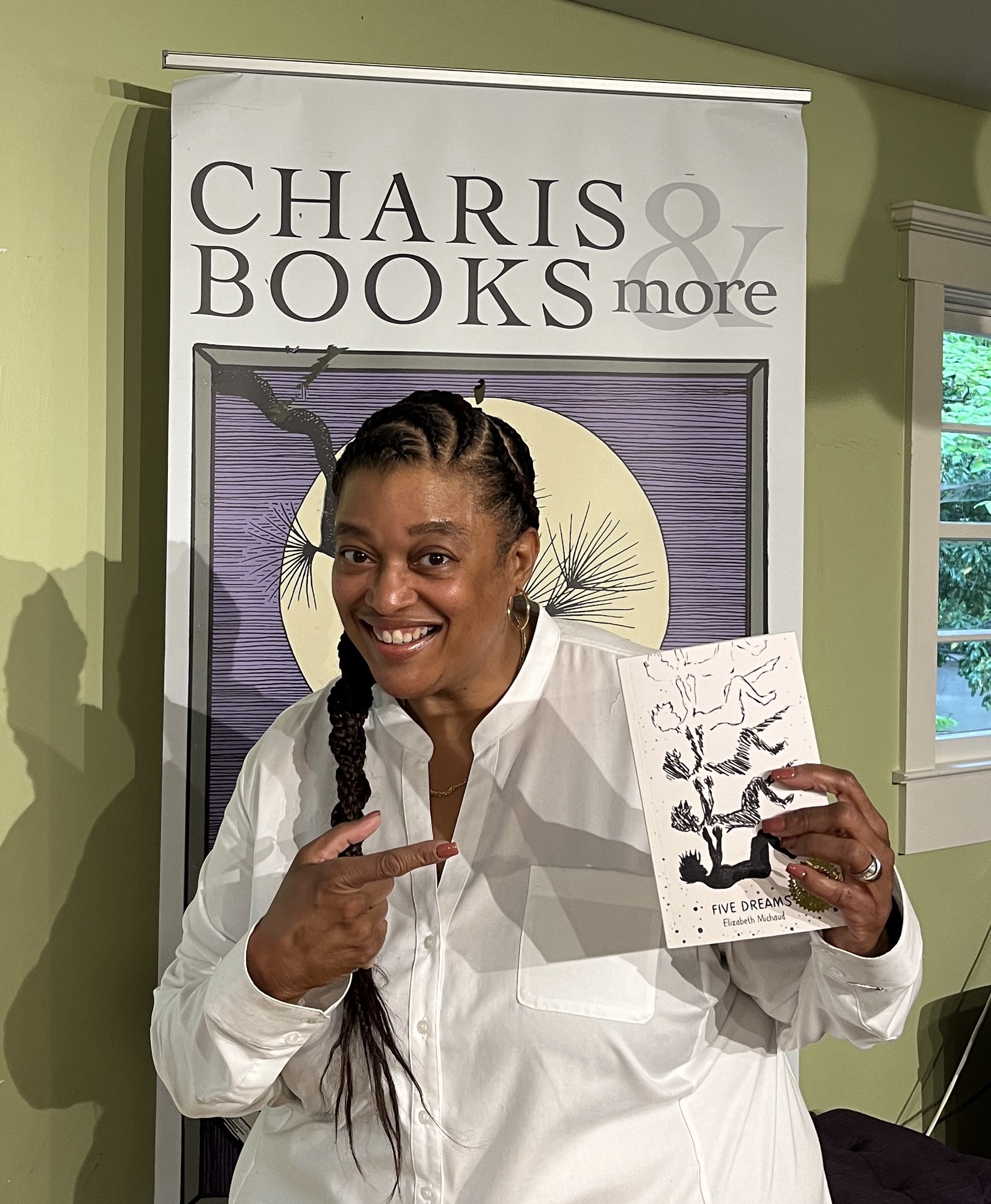
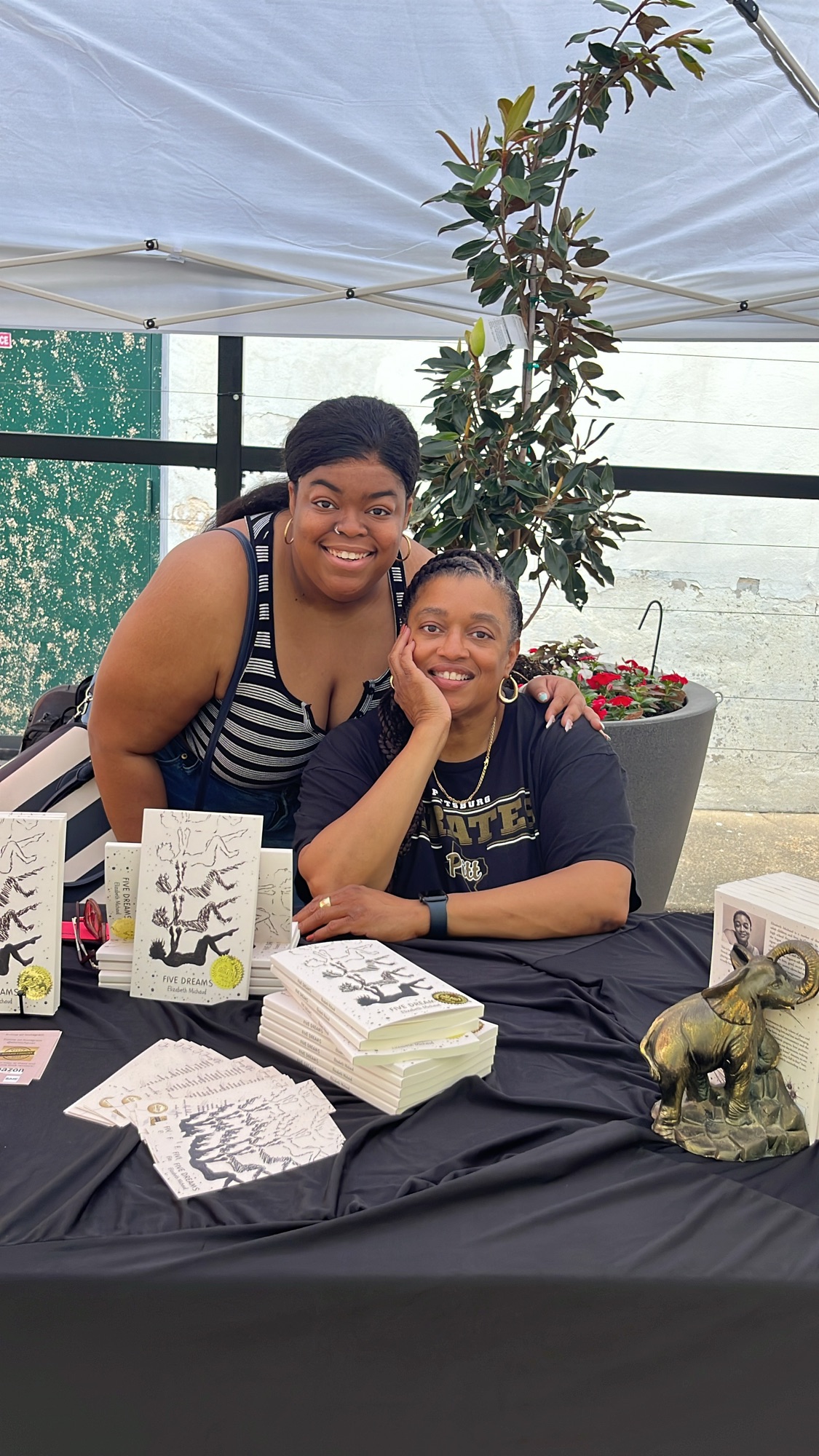
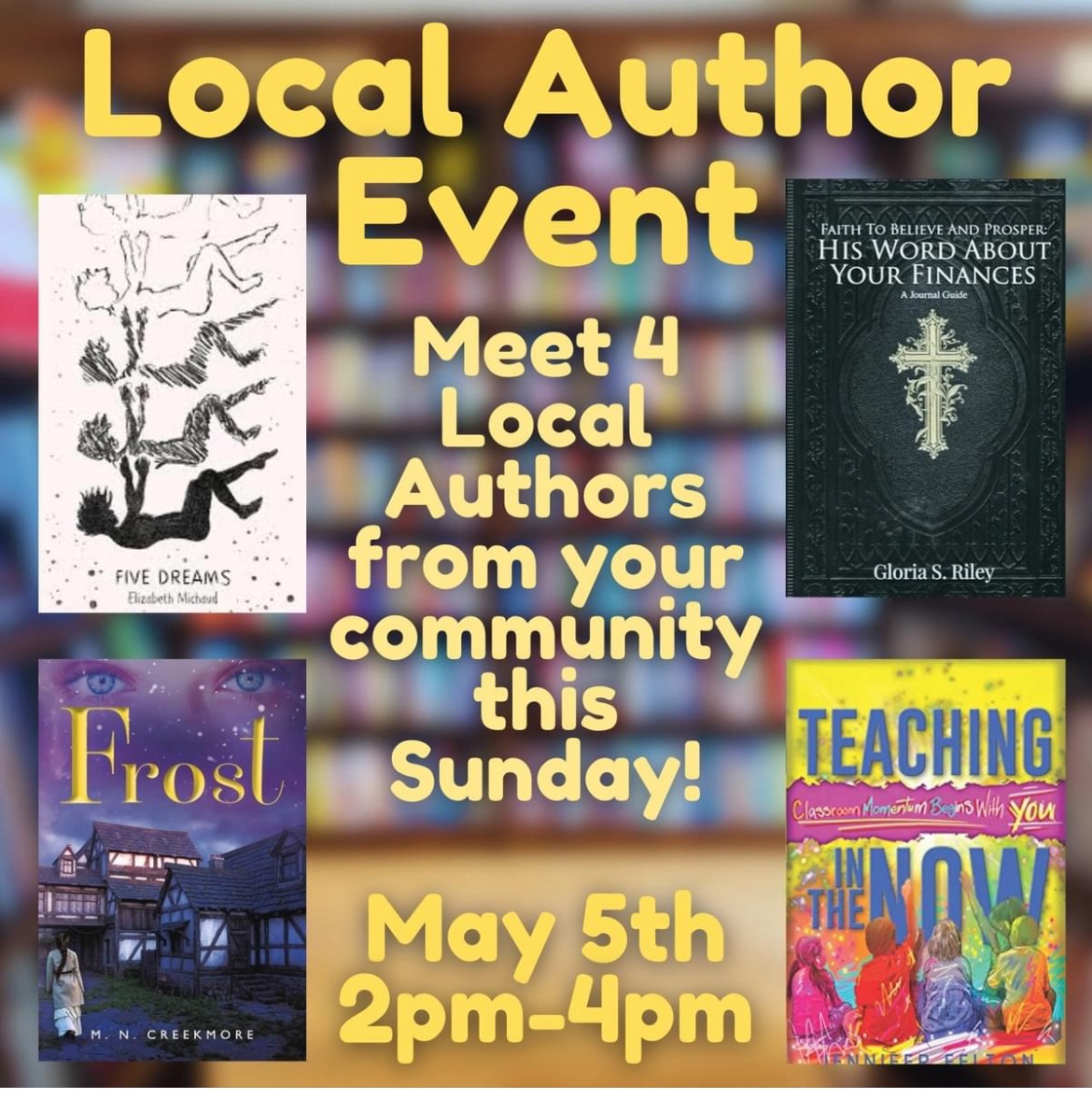
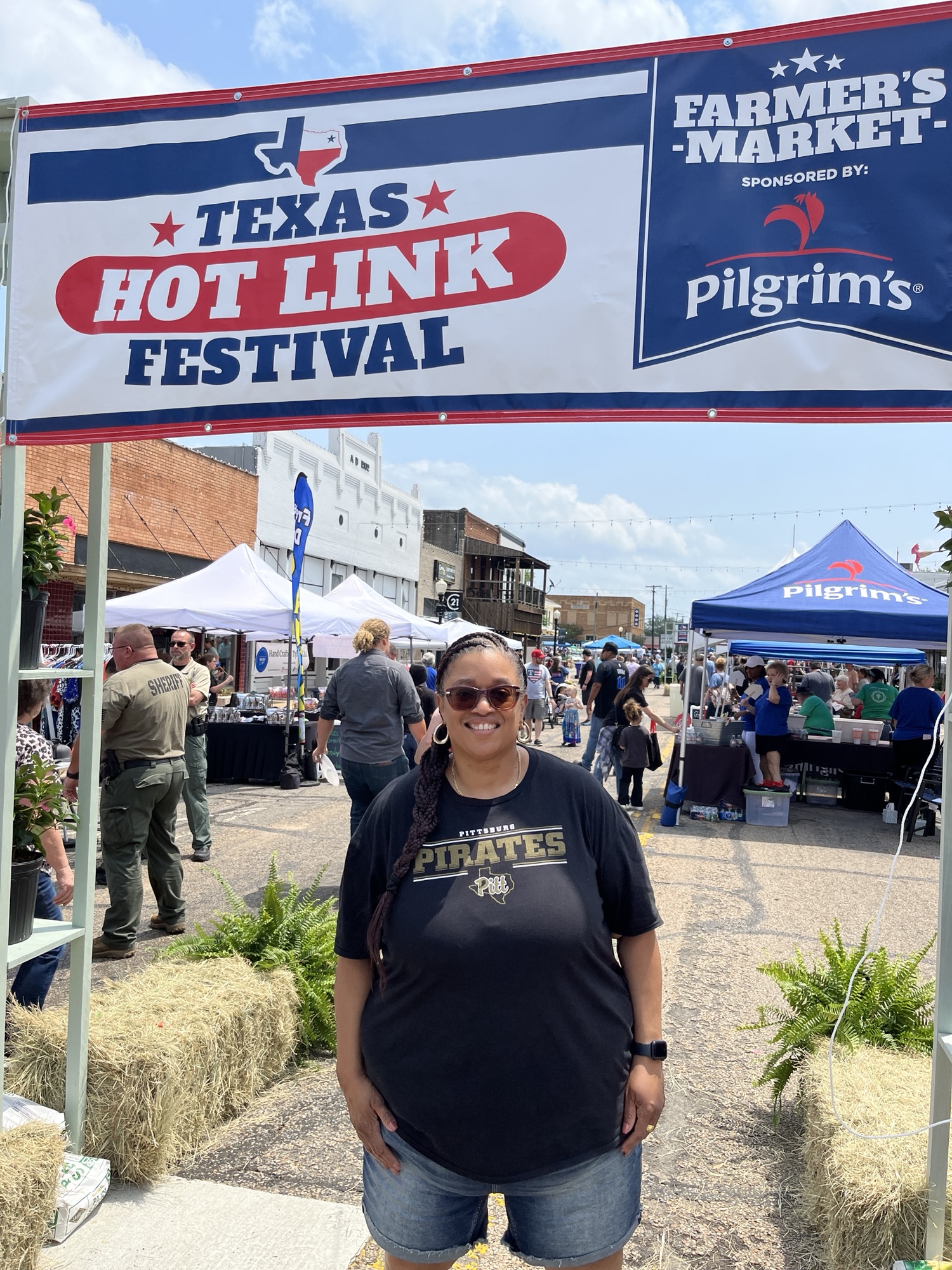
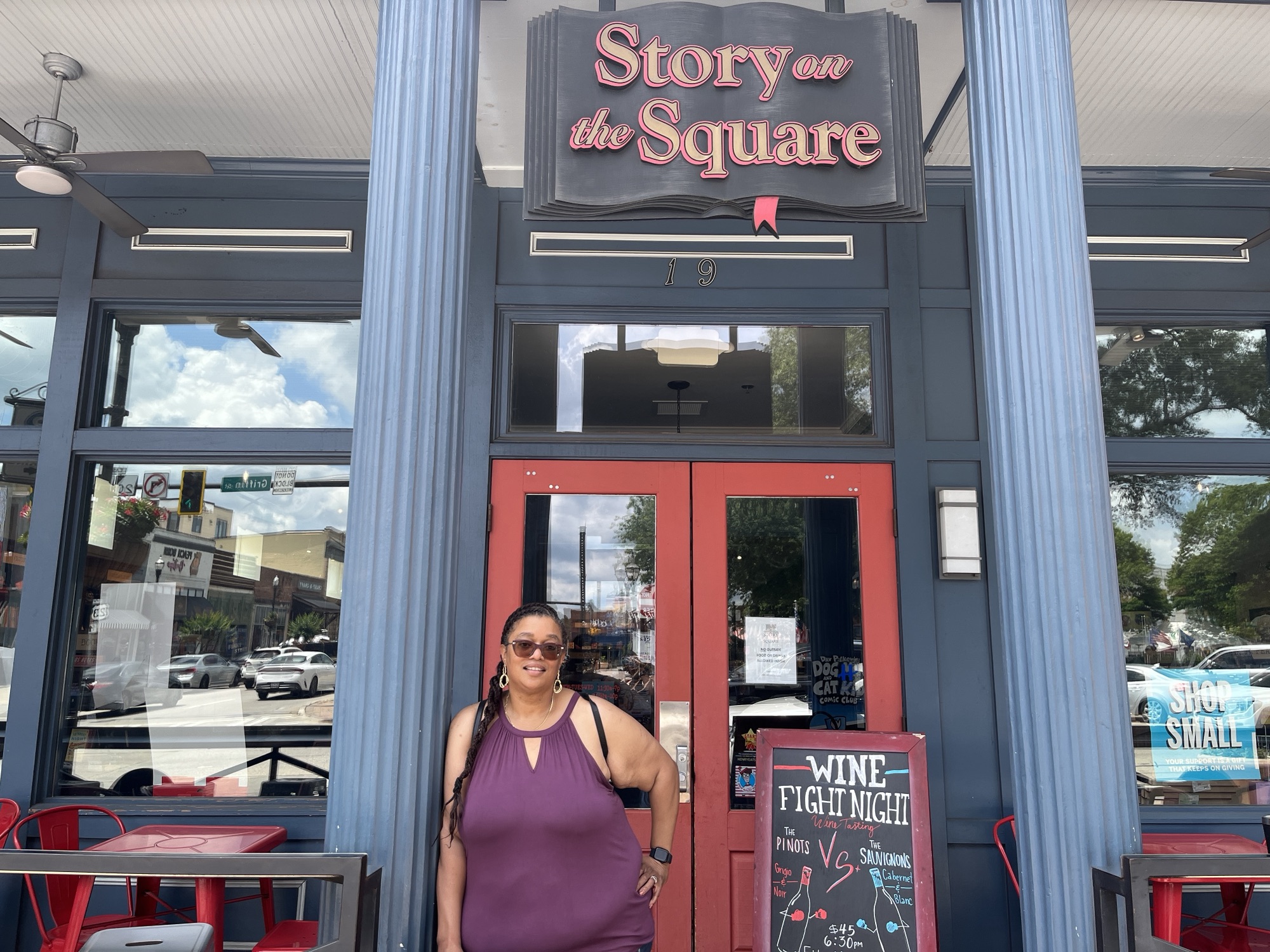
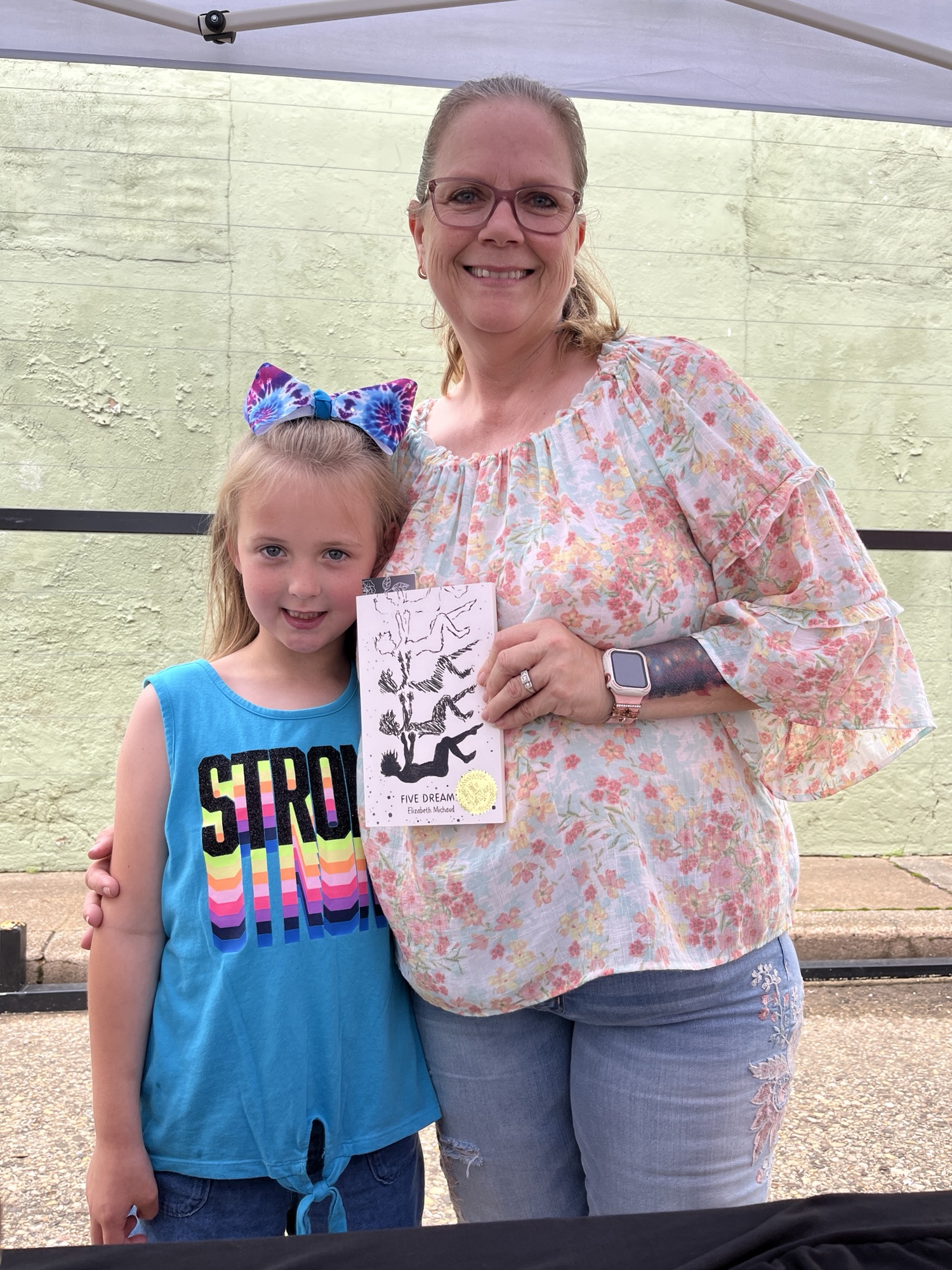
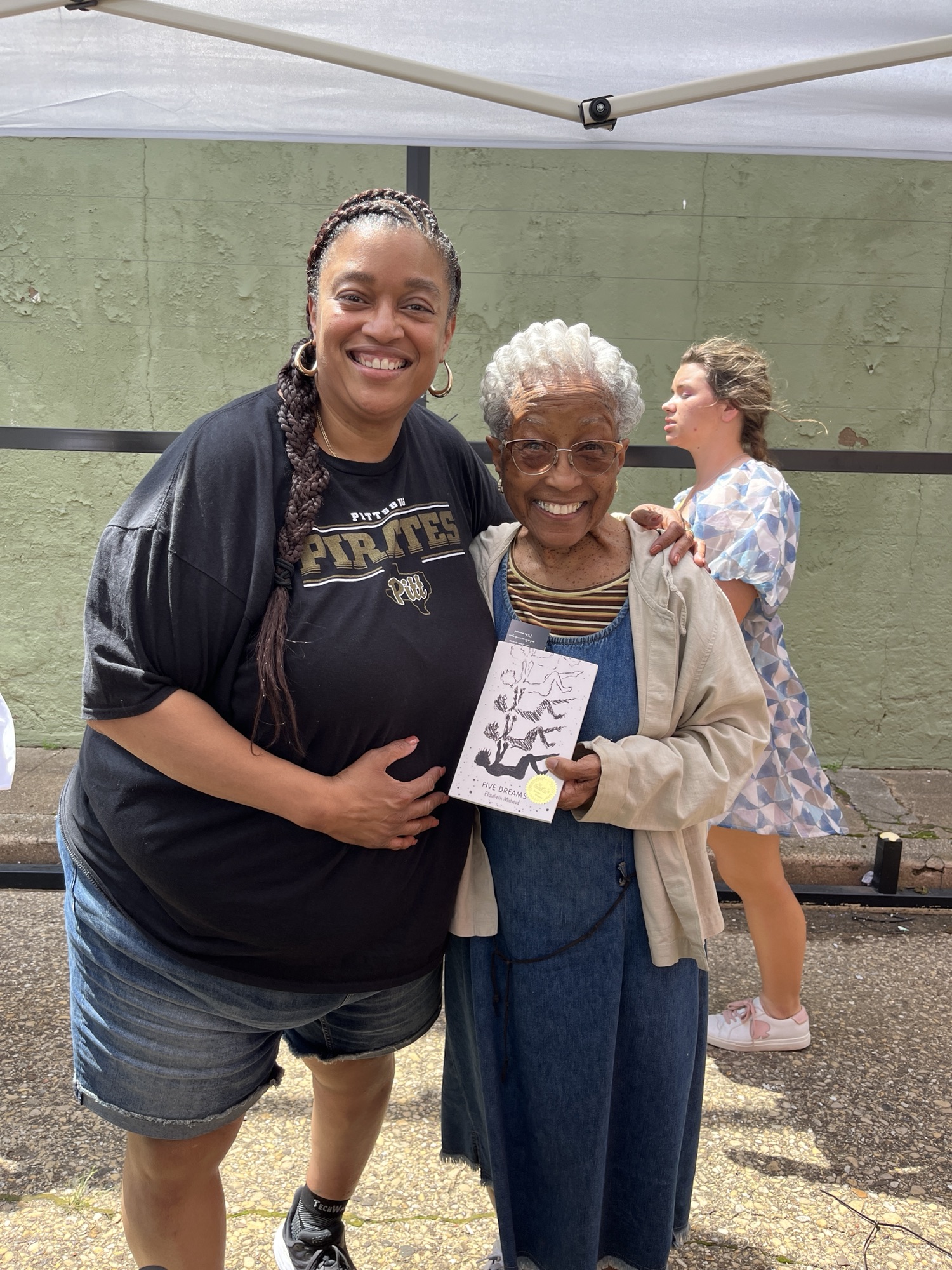
Interview with Lucinda Clark, founder of Poetry Matters ProjectsPhoto highlights of the past couple of weeks: book awards, book fairs, book signings, and fun….
No long intro from me today for this poem. Rather, I would just tell you that I wrote this based on a prompt. Apparently, March 30 is National Pencil Day (who knew???). It commemorates the anniversary of the US patent granted for a pencil with an attached eraser (again I ask, who knew???) As a result, we had to write about a pencil–specifically, we had to write about a writer searching for the perfect pencil. This is my take on that prompt. I don’t expect this little ditty to take home any grand awards or survive the long arm of time but still, it was fun to write. I’ve included the audio clip as well. Enjoy!
Pencil
There’s a story I want to tell, a poem I’d like to write, it demands a very good pencil in order to get it right.
I could use a colored pencil, scribble my verse in a vibrant hue; gold or emerald or ruby red, so many colors to choose—
Or here, a charcoal pencil, its lead black like the night, perhaps an ode of darkness to strike fear, give shivers and fright.
Or perchance a graphite pencil, a dependable number two and craft a rhyme that’s simple, full of sadness to make one blue.
But here I see a pencil, modern and mechanical, my words must be precise and exact— but still they will be diabolical.
Or what about a pencil whose lead is made of wax? Upon some glass I’ll script my verse with clever words and syntax.
This task before me is grand, the chore that awaits me is great! The choice that I make must be sure and swift— my mind is full of words and can’t wait.
Because the tool that I will choose dictates the poem that I will write; would that the pencil of my choice send my verse off in glorious flight.
It should carry my dearest reader to far-off distant lands, swell chest with grand emotions, whatever my mind demands—-
So with care I’ll choose my pencil I’ll decide which one is right, I’ll script my ode (of verse, not prose!) and with that, good day and good night.
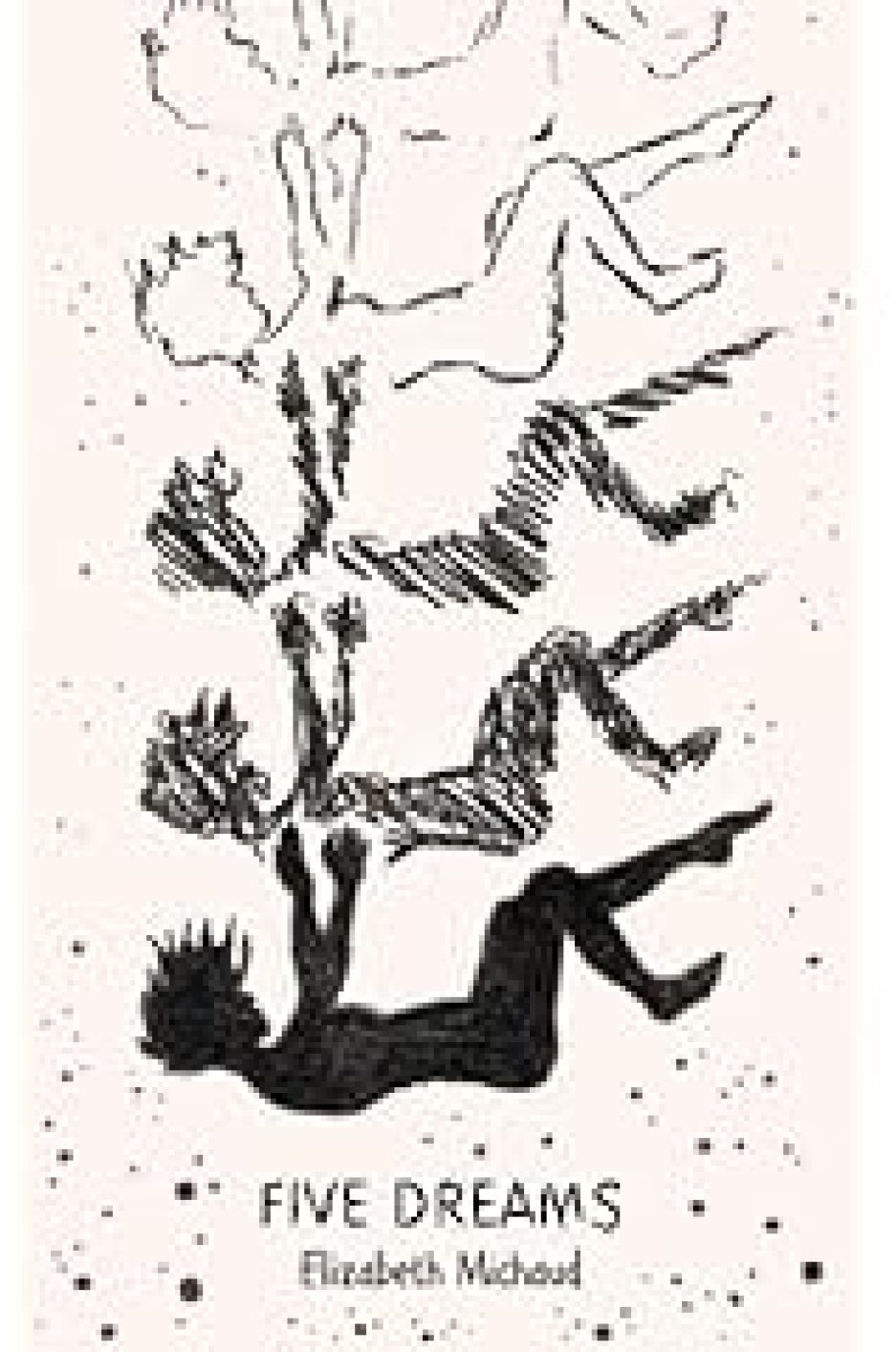
So excited to share that Five Dreams won first place for Contemporary Poetry in the The BookFest Spring Awards! That makes two awards for my book (Five Dreams was named a 2023 Finalist for both the American Best Book Awards for both General Poetry category and Narrative Poetry category.) I gotta tell you, it’s pretty exciting!
Want to see what all the fuss is about? Click on the links below to get your copy today from your desired independent retailer! If you’re local to Georgia, consider supporting one of the independent booksellers below and let them know I sent you! Or you can find my book on Amazon, Books-A-Million, and Barnes and Noble! Thanks for your support!
Of late, I have been dabbling with writing poems using alliteration. When it all comes together, it is really kind of a fun thing to do. It is definitely a challenge because it demands very concise language to convey the message using as many words with the letter(s) that you are repeating. I love it!
I wrote this one from a prompt. It required that we use “Wild Wicked Wind” as the title of our piece. Given the nature of the title, it seemed to scream “Use alliteration!“, so I did. Also, it just so happened that the weather around that time was dreary…and it all seemed to come together for this little ditty. I hope you like it! Feel free to comment and share! I’d love to hear from you!
Wild Wicked Wind
A wild wicked wind wails in the sky wildflowers wilt, wither and waste away while willows weep their sorrow for summer gone This wild wicked wind wakens winter and we wonder with weary when we will welcome back the warmth of the sun
The thing I love about writing poetry is that it allows me to tell stories in a short, concise, and still creatively demanding kind of way. Years ago, when I first started this blog, I started it to promote the short stories that I was writing, but it was around that time I also began to dabble with poetry. I actually made a post about how I got into writing poetry, called Shortcuts to Storytelling (shared after this post). It’s some fun writing, I’ll tell you what, but more about that later…in the original post.
Because I like to use poetry to tell stories, it’s important to note the fiction-like nature of my poetry. I mean, don’t get me wrong. Sure, some of the topics I write about are personal in nature, others might speak to societal ills, and still others make nods to historical events, but the large part of my poetry really does center around good old-fashioned storytelling. It’s why I enjoy it some much: I can create a random tale with a clear beginning, middle, and end while still following the demands for a poetic form (or not), when the occasion calls for it.
Which leads me to the following poem here: Eleven is Our Special Number. I wrote this for a prompt-based writing contest. The prompt demanded that we use a poetic form called hendecasyllabic. The prompt designer wanted the poem to be only one stanza, it had to have eleven syllables per line, and as an added challenge, be eleven lines in length. However, the topic was ours to choose. In trying to figure out what to do, I thought I would tell the story of someone (not me!) celebrating the love of her life while further incorporating the number eleven throughout the poem. It was a fun write, totally made-up, but celebrated one of my favorite topics ever: love. And who doesn’t enjoy a good love story? 🙂
Find here the poem Eleven is Our Special Number. You can also listen to a recitation of it as well. Enjoy!
Eleven is Our Special Number
He woke me on the eleventh day of the eleventh month of the year; he whispered sweet nothings eleven times in the curve of my neck and my ear. He promised me treasures, ten times and once more…oh! my heart set aflame with desires galore…the world, on its axis, spun round and round, for this man and his love that knew of no bounds. At the eleventh hour when the clock shared the time, on my finger he slipped jewel divine. Eleven times yes to my love…we cherish now eleven years of love.
I sit at my computer with a couple of ideas floating around in my head: something twisted here, something perverted there. Or, in a shocking twist from my usual fare, sometimes I want to venture out and write something light or funny, something that speaks to blue skies and never-ending happiness (I know, I know, but what can I tell you? Sometimes I have my softer moments…but I digress…)
Yea, sometimes, I’m in the mood to write a story, whatever it may be.
But sometimes I don’t feel like going through the rigmarole of writing a long story (even a thousand words can feel long when you’re not in the mood). There are days when it seems like it’s just too much effort or it’s going to take too much time. When you’re a busy wife and mother, time is precious and trying to find those minutes can be hard to do.
So, what to do, what to do? Write…don’t write… I could be plagued for an eternity by this dilemma…
Write…don’t write…
Fortunately for me, I discovered a solution to the problem: poetry.
It’s not something that I do every day, write poetry, but it’s something that I’m getting into. However, I’m not into poetry that functions to describe the one thousand different nuances of a cloud–that shit gets on my nerves. Nor do I like poetry that endlessly, nonsensically, for example, talks about the random nature of a shopping cart sitting in the middle of a freeway while an old man blows his horn to the sounds of elephants marching by. I don’t know what any of that could possibly mean, and it makes my head hurt trying to figure it out.
I’m sure there are some of you out there who know what I’m talking about.
Of course, there are people out there who will completely disagree with me on this point, but that’s okay. I don’t doubt that there is a value to that kind of poetry for someone else, just not for me. And although I would be the first to admit that I have used abstraction as a poetic device, at the end of the day, what matters for me in poetry is reason, logic, and sense in verse.
But most importantly, I look for a story in poetry, where there is a definite beginning, middle, and end. I want to know what happened and why.
It’s been kind of a cool revelation for me—that I can tell a complete story using the brief nature of poetry.
As I write more and more, poetry has become another way for me to recount a tale. It requires a different set of skills: the ability to be brief and concise and demands that I have a breadth of vocabulary at my disposal to do so. Further, it calls for a definite structure: plot, conflict, conclusion. Certainly, I’m not describing anything new. The poetry that I write is narrative poetry, or prose poetry. But what I am noticing as I get into it is that it seems to be a lost art.
Edgar Allen Poe was a master of narrative poetry. From such poems as The Raven to The Bells, Poe wove stories using verse instead of prose to spin his tales of woe. It doesn’t hurt that those poems also tend to be dark and somber, which is right up my alley. The darkness draws me in, and the rhythm and the skill of his pen keep me on the hook. When I read his poems, I frequently feel like I’m on a journey, forever dark and treacherous, one that usually ends in despair. But, as with any good narrative poem, I know why, I understand how I got there, and whether or not I like the conclusion, there is one. And for me, that’s important. The man has told me a story that is as good as any flash fiction out there, but with a great lyricism and rhythm.
For those of us who read poetry, clearly we read it for different reasons. Some people do in fact want to know about all the many ways you can describe a cloud on dreary, rainy day. That doesn’t do it for me. Neither does the “random nature” of the meaning of life as seen through a shopping cart sitting in the middle of a freeway while an old man blows his horn to the sounds of elephants marching by. Who could possibly give a shit about that??? (Okay, okay, I know that there is somebody out there who does, but it’s not me.)
But open the gates for me, show me the path, and lead me to the other side, and I’m there.
When I write my poetry, I am very often trying to show the progression of a situation or a circumstance. This is no different than writing a story, but as I stated earlier, the difference is brevity.
One of my favorite poems by Poe is Annabel Lee. He talks about his the great love between him and his wife, then her tragic death, and his anger at the heavens for causing his loss, and how he looks after her spirit even in death. It has all the elements of a good plot, and it engages me as well as any other tragic love story out there—without the huge time investment or length requirements.
You know, there’s a naughty little expression that says that “It’s not the length of the wand, but the magic in the stick.” I think that holds true when writing. Prose doesn’t have to be long to be great (and let’s be clear, just because it’s long doesn’t guarantee that it will be) and poetry can be just as powerful as any story.
And that’s a good thing, because sometimes when I want to write, I just don’t want to write a lot.



 Elizabeth Michaud